Market Growth and Potential
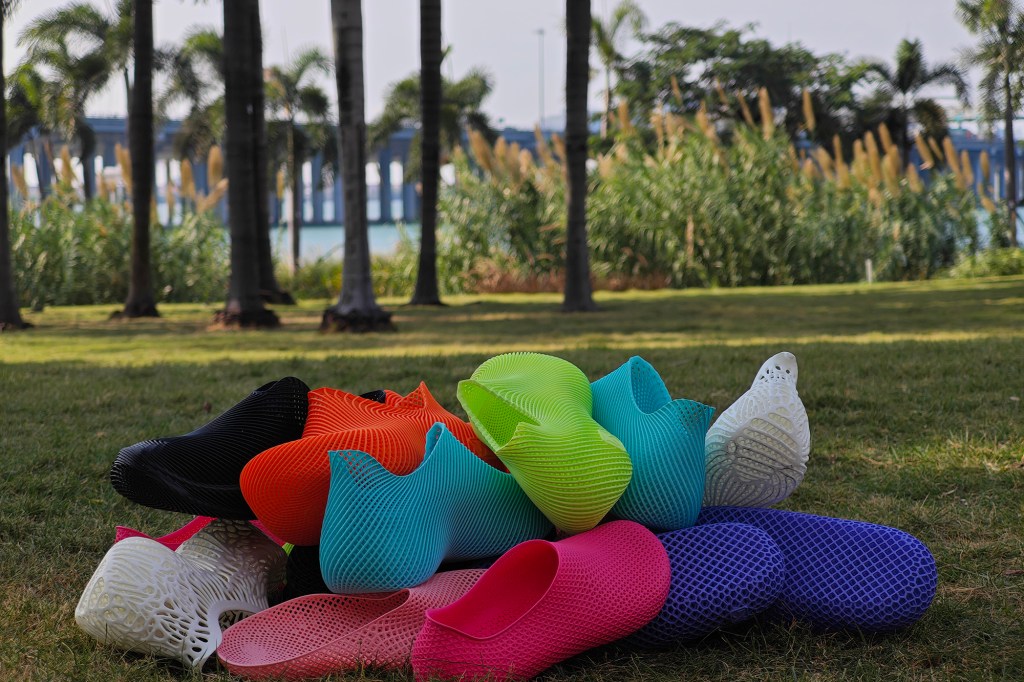
The 3D printed shoes market is experiencing remarkable expansion, signaling a transformative shift in the footwear industry. The global market was valued at USD 1.64 billion in 2023 and is projected to reach USD 5.38 billion by 2030, representing a compound annual growth rate (CAGR) of 18.6%. Another analysis suggests even more aggressive growth, with the market potentially reaching USD 18.62 billion by 2033 at a CAGR of 25%.
Regional markets show particularly strong momentum, with the U.S. market expected to grow at the fastest CAGR of 18.1% from 2024 to 2030. North America currently dominates with a 39% revenue share in 2023, driven by technological advancements and strong consumer demand for customization. The Asia Pacific region is also emerging as a significant growth driver, expected to grow at 19.3% CAGR due to established manufacturing infrastructure and supply chains.
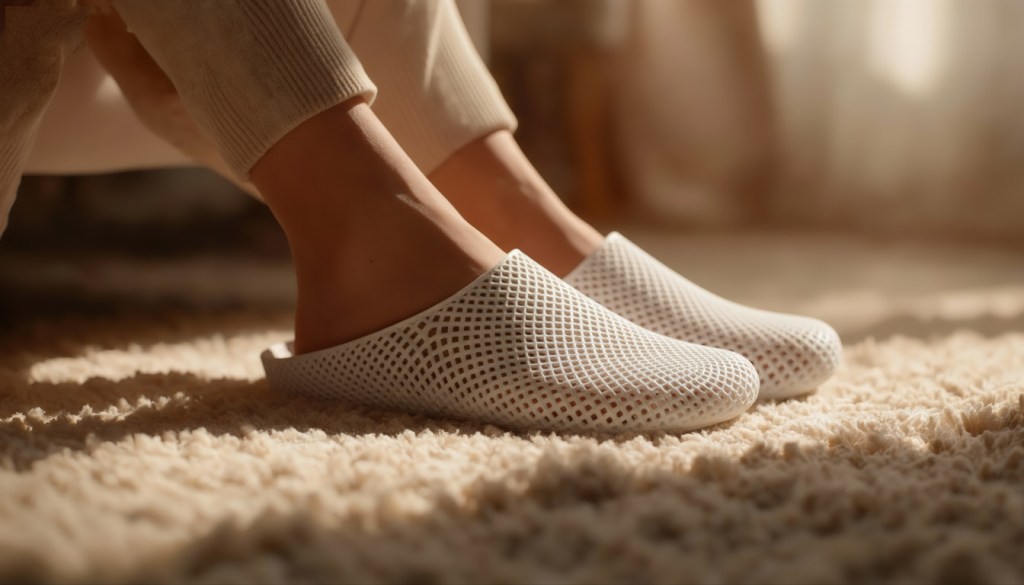
This article provides a comprehensive and in-depth analysis of leading brands in the global 3D printed shoe market based on publicly available information. Here we will first outline the current market landscape and brand hierarchy, then reveal the differences among brands in technological innovation, market strategies, and core strengths through detailed comparative tables and in-depth analysis, and finally explore future industry development trends.Over the past five years, with the addition of more and more brands, 3D printed shoes have become more popular!
3D Printed Shoes vs. Traditional Footwear
3D Printed Shoes
Advantages (Pros)
- Highly personalized and customizable: The most disruptive aspect of 3D printing technology lies in its ability to produce based on each user’s foot shape data, providing a perfect fit. For example, brands like Zellerfeld allow users to scan their feet with a smartphone to customize footwear, resulting in an unprecedented level of comfort.
- Excellent design freedom and structural innovation: Designers can break free from the limitations of traditional molds and create extremely complex geometric structures. For example, ARKKY’s 3D printed shoes use a parametrically designed mesh structure to achieve 360-degree all-around breathability and outstanding cushioning.
- Sustainable manufacturing method: As an additive manufacturing technology, 3D printing uses materials only as needed and produces almost no waste. In addition, many 3D printed shoes are made from fully recyclable materials, aligning with circular economy sustainability concepts.
Disadvantages (Cons)
- Limited production speed: Compared with traditional production lines that manufacture more than 23 billion pairs of shoes per year, 3D printing is relatively slow and currently unsuitable for large-scale, fast market supply.
- Higher unit cost: Due to equipment, high-performance material costs, and longer printing time, the price of 3D printed shoes is usually higher than traditional sports shoes, limiting their adoption in the mass market.
- Durability and material performance still developing: Although technology continues to improve, compared with traditional materials such as EVA that have been verified for decades, the long-term durability and stability of some 3D printing materials still require further market validation.
Traditional Sports Shoes (EVA Injection Molding)
Advantages (Pros)
- Extremely high production efficiency and scale: The EVA injection molding process is highly automated with a short molding cycle, enabling large-scale production and rapid response to market demand.
- Significant cost-effectiveness: Although mold development requires upfront investment, the cost per pair becomes very low in mass production, making it the most cost-efficient option for the mainstream market.
- Mature and reliable performance: As a core midsole material, EVA is already highly mature. Its lightweight, cushioning, and compression-resistant performance has been widely proven and can meet the needs of most athletic and daily wear scenarios.
Disadvantages (Cons)
- Poor customization capability: Any design modification requires costly new molds, making personalization impractical and expensive.
- Limited design freedom: Product shape and structure are restricted by mold limitations, making it difficult to achieve the complex geometries possible with 3D printing.
- Relatively higher environmental impact: Waste is generated during manufacturing, and EVA recycling efficiency is lower than that of new thermoplastic materials, creating certain environmental pressure.
Market Structure and the Rise of New Brands

The current global 3D printed shoes market presents a three-tier structure of “traditional sports giants leading, strong challengers catching up, and emerging innovators disrupting”. With their unique advantages in technology, mass production capability, business models or sustainability, various brands together form a diversified competitive ecosystem.
- Leaders: Adidas and Nike. These two sports giants, relying on their strong R&D strength, brand influence and supply chain advantages, are in a leading position in the commercialization and technical standardization of 3D printed shoes.
- Challengers: New Balance, Under Armour and Puma. These brands actively follow 3D printing technology, focusing on optimizing specific performance and launching innovative products, and occupy a place in the market through differentiated strategies.
- Emerging Innovators: Zellerfeld,ARKKY, Hilos, ECCO and FUSED Footwear. These brands are mostly technology-driven startups or industry disruptors. Through disruptive business models (such as platformization and full customization) and an extreme pursuit of sustainability, they are opening up new market segments.
Top 10 3D Printed Footwear Brands — Comprehensive Strength Comparison
The table below provides a detailed comparison of the top ten brands in terms of core technologies, representative products, market positioning, and key innovations, revealing each brand’s unique competitive advantages.
Brand | Core Technology & Materials | Representative Products / Platforms | Market Positioning & Strategy | Key Innovations & Advantages |
| Adidas | Carbon DLS™ digital light synthesis; liquid polyurethane (PU) resin | Futurecraft 4D series, Climacool series | Mass Production Leader: First to achieve large-scale production of 3D printed midsoles, driving technology into mainstream adoption. | Lattice-structured midsoles deliver precise cushioning & support; capable of million-pair production scale. |
| Nike | Flyprint 3D textile printing; SLS, SDM and other technologies; TPU materials | Nike Flyprint series; Air Max 95000 co-created with Zellerfeld | Technology Innovator: Holds the most 3D-printing-related patents, focused on performance breakthroughs and rapid prototyping. | First to develop 3D printed functional shoe uppers; significant lightweight advantages; strong patent ecosystem and data-driven design. |
| Zellerfeld | Full-shoe integrated 3D printing; recyclable TPU materials | Zellerfeld design platform; collabs with brands including Nike & Moncler | Platform Builder: Provides on-demand production, full customization & recycling as an open service platform. | Achieves seamless one-piece shoe printing; empowers designers and builds a “design-as-a-service” ecosystem. |
| ARKKY | AI-HALS™ ultra high-speed photopolymerization; self-developed bio-based TPU | AERODASH series, CozLite series | Popularization Pioneer: Focuses on ultra-fast printing, extreme personalization and sustainability. | AI-boosted printing delivers 20–100x speed increase; highest-efficiency scalable production; proprietary TPU hybrid material development. |
| New Balance | TripleCell platform (DLS-based); SLS technology; TPU materials | Zante Generate, FuelCell Echo Triple | Early Technology Explorer: Among the first to commercialize 3D printed running shoes, focusing on elite athlete customization. | Specializes in performance-enhancing lattice midsoles; deep experience in professional sports applications. |
| Under Armour | SLS technology; generative design; TPU materials | UA ArchiTech series, UA Futurist series | Limited Edition Market Tester: Runs limited releases to validate and scale production gradually. | Uses generative-designed lattice midsoles for superior dynamic cushioning and support. |
| Puma | 3D printing tech via LUXCREO®; resin materials | 3D MTRX; Mostro 3.D (collab with A$AP Rocky) | Fashion-Tech Fusionist: Collaborates with luxury & performance brands to explore structural aesthetics. | Recognizable lattice midsole aesthetic combining tech with street fashion identity. |
| ECCO | Quant-U™ customization platform; medical-grade silicone 3D printing (with Dow) | Quant-U customized midsole | Data-Driven Comfort Provider: Offers real-time precision customization through in-store printing. | Combines foot-scan and gait analysis to produce biomechanically personalized silicone midsoles. |
| Hilos | Powder bed fusion (HP Multi Jet Fusion); recyclable TPU | On-demand 3D footwear platform; collaborations with HELM & Steve Madden | Sustainable Fashion Pioneer: Rebuilds footwear supply chain using “zero-inventory, on-demand, fully recyclable” model. | On-demand 72-hour production; fully recyclable; Yale-verified 48% carbon reduction & 99% water savings. |
| FUSED Footwear | One-piece full-shoe 3D printing; recyclable TPU | Fully customized monolithic shoes | Minimalist Manufacturing Advocate: Offers one-piece fully customizable, on-demand footwear. | Single-material construction with no adhesives or stitching, simplifying both production and recycling. |
In-Depth Brand Analysis
Leaders: Adidas & Nike
Adidas successfully transformed 3D-printed midsoles from a conceptual stage into large-scale production through its Futurecraft 4D series developed in collaboration with tech company Carbon. The company has already produced hundreds of thousands of pairs and plans to scale production to the million-pair level. Its core advantage lies in breaking through mass-production barriers ahead of competitors, making 3D printed footwear more accessible to consumers.
Nike holds a clear advantage in technology research and patent deployment. Data shows that between 2021 and 2023, Nike filed as many as 601 patents related to 3D-printed footwear. Its Flyprint technology is the first application of 3D-printed textile uppers in functional footwear, demonstrating strong potential in both lightweight design and breathability.
Challengers: New Balance, Under Armour & Puma
These three brands leverage 3D printing as a key driver for product innovation. New Balance is one of the earliest pioneers with its TripleCell platform, aimed at providing higher-performance customized footwear for athletes. Under Armour introduced its ArchiTech series using generative design to create visually unique lattice midsoles with exceptional support. Puma attracted significant market attention by collaborating with design-driven partners such as Porsche Design, resulting in tech-fashion-hybrid products like 3D MTRX.
Emerging Innovators: Zellerfeld, ARKKY, Hilos, ECCO & FUSED Footwear
Brands in this tier are fundamentally reshaping footwear design, manufacturing and consumer experience, collectively accelerating the mainstream adoption of 3D printed shoes.
- Zellerfeld and FUSED Footwear focus on full-shoe integrated 3D printing, offering fully recyclable on-demand custom shoes while providing an open platform for designers to create.
- ARKKY leverages its proprietary AI-HALS™ ultra-high-speed printing technology, achieving industry-leading production efficiency (over 200 pairs per printer per day). It is the first brand to push 3D printed shoes toward high-volume consumer adoption, with multiple product lines covering home wear, sports, street fashion and daily commuting. ARKKY is one of the fastest-growing brands in 2025, showing significant manufacturing and scaling advantages despite not yet matching Adidas and Nike in globally recognized design prestige.
- Hilos elevates sustainability to a new level by adopting an on-demand production model that eliminates inventory waste and significantly reduces carbon emissions and water usage.
- ECCO’s Quant-U project brings lab-grade biomechanics and 3D printing directly into retail stores, offering consumers instant and scientifically tailored comfort solutions.
Future Trends and Outlook for 3D Printed Footwear
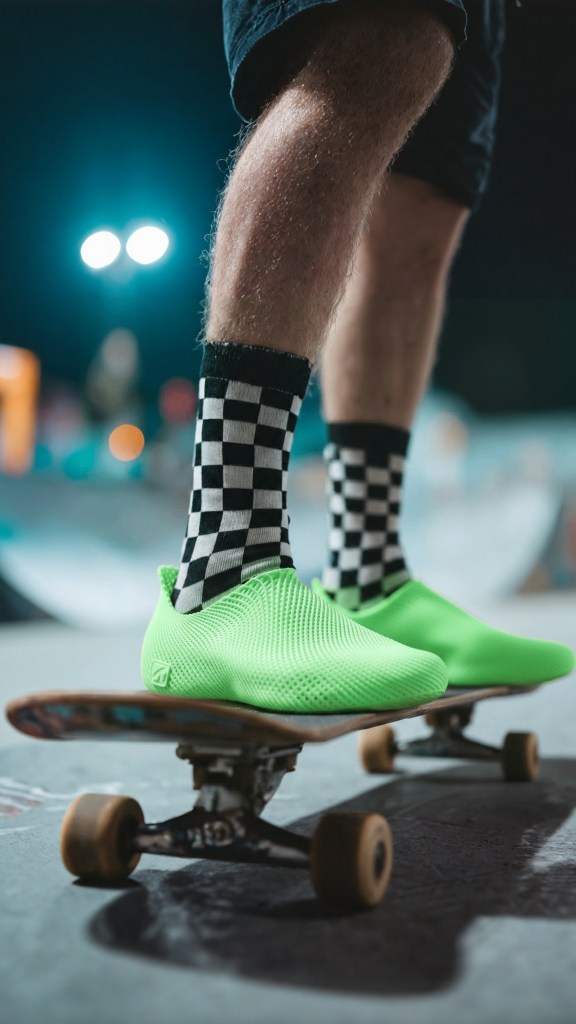
Based on the strategic layouts and technological paths adopted by leading brands, 3D printed footwear is accelerating toward widespread adoption. The industry is currently demonstrating the following key development trends:
Extreme personalization as a core value: The industry is moving from basic size options to “one-person-one-design” solutions based on individual biomechanical data, becoming the core competitive edge of premium 3D printed footwear. Technologies such as ARKKY’s foot-scanning customization and ECCO’s gait analysis are driving the footwear market toward service-oriented transformation.
Sustainability and circular economy as industry consensus: Brands like Hilos, FUSED Footwear, and ARKKY actively embrace global sustainability initiatives through the use of recyclable materials, on-demand production, and reduced waste. The additive manufacturing nature of 3D printing inherently supports the development of circular economy models.
Breakthroughs in production efficiency and cost control: Production cost and speed have long been barriers to mainstream adoption. Today, high-speed printing technologies—represented by ARKKY’s AI-HALS™—are breaking these bottlenecks, making large-scale commercialization increasingly achievable.
Platform-based ecosystems and design democratization: The rise of platforms such as Zellerfeld lowers the entry barrier for designers, allowing creativity to be quickly transformed into physical products and fostering a more vibrant design ecosystem.
Conclusion
The global 3D printed footwear market is entering a rapid development phase driven by technological innovation and evolving consumer demand. Industry giants like Adidas and Nike are accelerating large-scale deployment of related technologies, while emerging forces such as ARKKY, Zellerfeld, and Hilos are expanding industry boundaries through disruptive innovation in personalization, production efficiency, and sustainability.
Despite ongoing challenges in cost, material durability, and production speed, 3D printing technology has already established a solid foothold in premium, fashion, and professional athletic sectors due to its unique advantages in customization, design freedom, and sustainable manufacturing. As technology continues to mature and costs decrease, 3D printed footwear is expected to evolve from niche markets to mainstream adoption, becoming an indispensable part of the global footwear industry.
References and External Links
- Grandviewresearch:https://www.grandviewresearch.com/industry-analysis/3d-printed-shoes-market-report
- Thebrainyinsights:https://www.thebrainyinsights.com/report/3d-printed-shoes-market-14467
- Sneakerfreaker:https://www.sneakerfreaker.com/features/material-matters/material-matters-3d-printed-sneakers/
- Voxelmatters:https://www.voxelmatters.com/five-footwear-industry-leaders-using-3d-printing-for-production-today/
- Adidas:https://news.adidas.com/innovations/3d-printed-climacool–a-shoe-that-pushes-boundaries-of-design-innovation/s/10c1b774-a96e-4050-bff6-339ec3ef04b1
- Dezeen:https://www.dezeen.com/2025/11/09/nike-innovative-trainers-roundup/
- Business of Fashion:https://www.businessoffashion.com/articles/sports/nike-adidas-zellerfeld-3d-printed-sneakers/
- Sportcal:https://www.sportcal.com/data-insights/innovators-3d-printing-footwear-3d-printing-sports/
- Forbes:https://www.forbes.com/sites/carolynschwaar/2023/07/19/3d-printing-meets-the-billion-dollar-footwear-industry/
- ARKKY:https://arkky.com/blogs/news/arkky-ai-hals-technology-boosts-3d-printed-shoes-speed-by-20-100x
- WordPress(Sealloom):https://sealloom.wordpress.com/2025/10/21/adidas-vs-arkky-the-new-frontier-of-3d-printed-footwear/
- Puma-Catchup:https://www.puma-catchup.com/hear-the-story-behind-puma-and-porsche-designs-innovative-collaboration/

 FlexCreate
Leave a comment