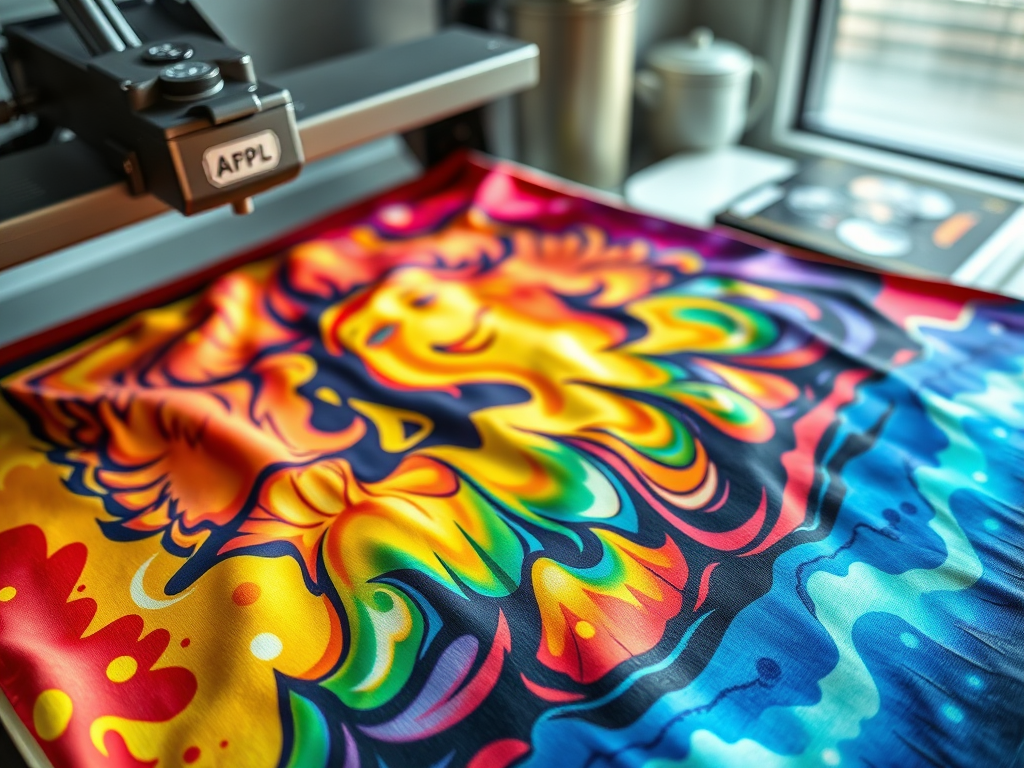
Need a way to get bold prints that stay bright?
Maybe sublimation printing fits. It works for fabric, metal, ceramic, plastic & even glass stuff.
In this blog, we talk basics of sublimation printing. You’ll see how it’s done. What makes it better than other kinds. Which stuff works with it. Other common things get covered too. After reading, you’ll likely get how sublimation printing works & why it’s useful for print-on-demand shops.
What is sublimation printing and how does it work?
Sublimation printing is digital. It uses heat + pressure + time to move dye onto things.
This is what happens:
- Design goes on transfer paper. Use sublimation ink for that.
- Then, press the paper to item with a heat press.
- Ink turns gas from heat & pressure. It goes into the item.
- Now the print becomes permanent. It stays bright. Won’t break or fade.
Sublimation printing pros
Now you know how sublimation gets done. Let’s look at good stuff it brings. Starting with upsides.
1. Vibrant and detailed printing results
Best thing? Sublimation printing gives bright colors. Sharp lines. Clean detail. But, on fuzzy materials, tiny parts may not show crisp.
2. Print durability
Sublimation ink doesn’t sit on top. It goes inside. It becomes part of the surface. That’s why it lasts long. Better than screen prints or DTG. No fading.
3. Quick turnaround time
Sublimation works fast. It’s digital. No screen or plate needed. Prints get made quicker. Less hand work too. Faster than screen printing.
4. Variety of products
This printing type fits many materials. Opens creative space. Make shirts, bags, mugs, mousepads & other custom things.
5. No order minimums
Use services like Flexcreate. You can order just one sublimated item. No bulk orders needed. Try new items without big inventory costs. Test what people like.
6. Eco-friendliness
Another plus—it’s better for nature. No water inks or solvents. Dry ink goes right in. Less waste. Less harm. Ink only gets used where needed. So less gets thrown out.
Sublimation Printing Drawbacks
There are also a few downsides with sublimation printing. Here we list 3 major problems you might face before using this printing style.
1. Material limitations
Sublimation works only with 100% polyester or blends that have lots of polyester. If fabric has less polyester, prints will look faded. The dye needs synthetic fibers to bond well & last.
If you want to print on cotton, silk, or leather, sublimation won’t work. These dyes can’t stay on natural fibers or wash off fast.
2. Base color limitations
You can only sublimate on white or very light products. This happens because no white ink exists in sublimation. The dyes can’t make dark stuff lighter.
Silver or colored things, like bottles, can work too. But don’t expect bright results. White gives the best outcome.
Trying black? The dye may go on, but it won’t show. Like if you print magenta on a black tee, it ends up looking mostly black with a bit of red.
3. White creasing
Sometimes parts of the item don’t print right. This leaves white spots. It happens a lot on seams or folds.
To fix this & cover all areas, Printful uses cut & sew. That means they print the design on fabric first. Then cut pieces & sew them together.
What Items Work With Sublimation?
Sublimation suits many materials. You get lots of choices. Things like clothes, mugs, signs, decor. So many options to pick from.
Here’s a closer look at some things Flexcreate makes.
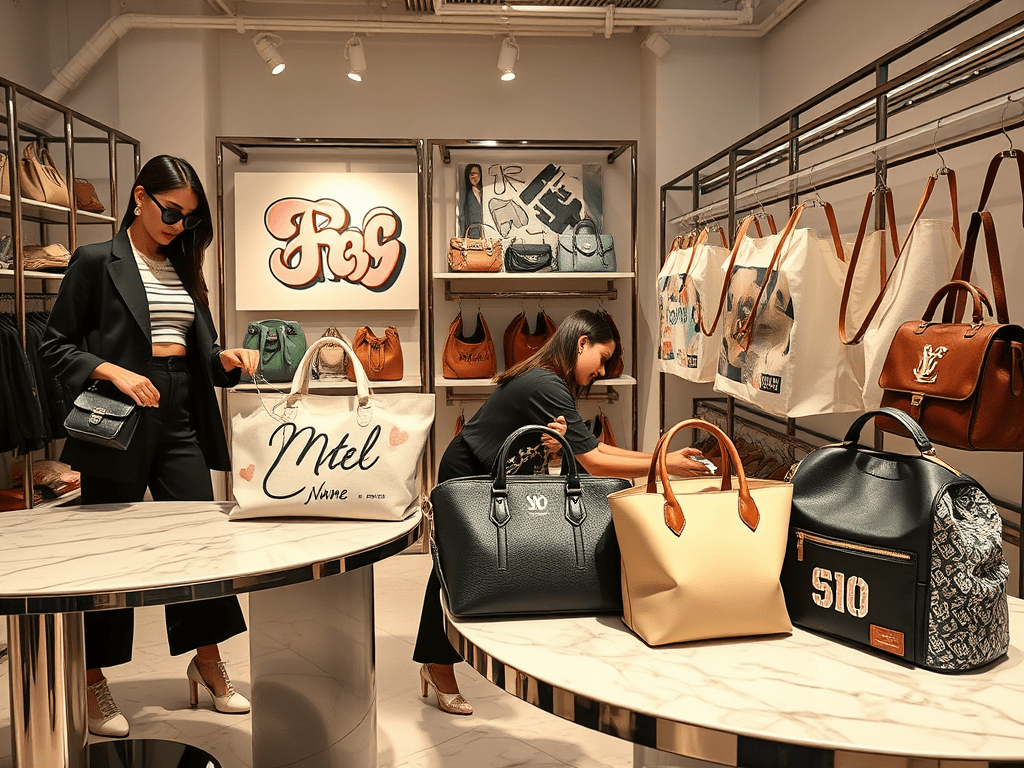
Leather Bags
Flexcreate is one of the few POD sellers that offer custom leather bags. The blank bags have good quality. With cool designs, they turn into fancy bags. These bags can match big-name brands. When you carry one, people will notice.
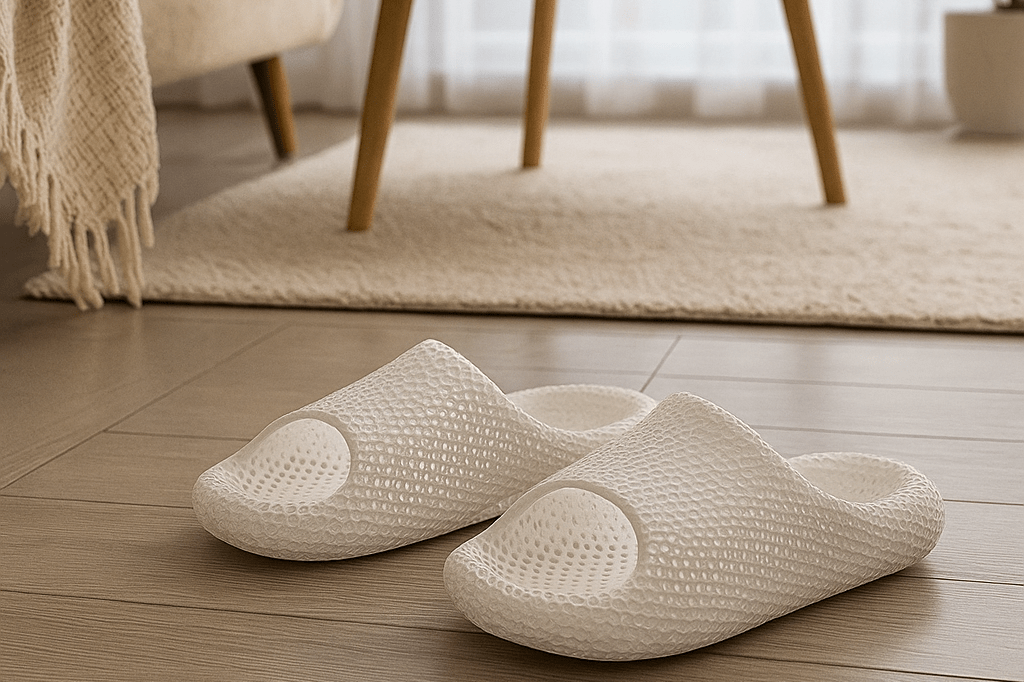
Footwear
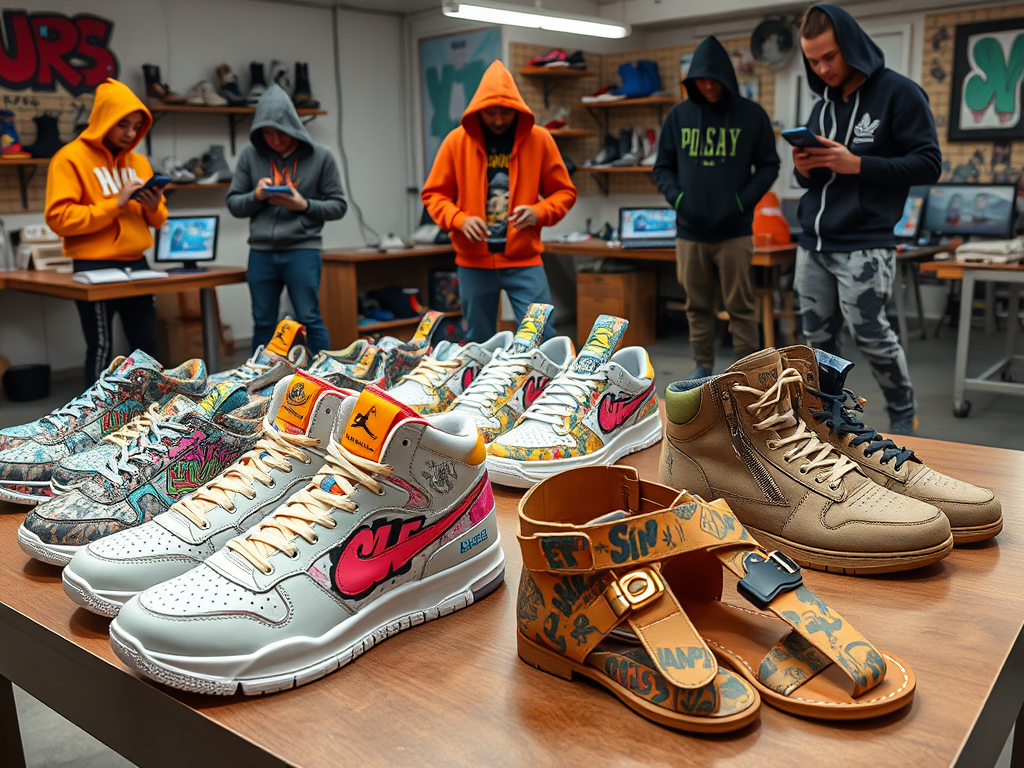
FC offers many POD shoe types. A custom shoe factory makes them. You can visit their site to learn more about the service.
Apparel
T-shirts, sweatshirts, hoodies, leggings, swimsuits, dresses & more. Sublimation works great for clothes. It prints on the whole fabric. No limits. Your full design fits.
Accessories
Want cool extras to match your look? Here are a few options:
Mugs
We have many kinds of mugs. All made with sublimation. First, the image gets printed on paper. Then the paper wraps around the mug. Pressure & heat help move the image to the mug.
Home decor
Want color for your room? Need soft stuff for the bed? Or something cool for your desk? There are many home items to check out:
Comparing Sublimation to Various Print Types – A Disrupted Take
Sublimation compared to other printing processes
Sublimation vs. screen printing
Sublimation? Screen printing? Both used for putting stuff on fabric. Not quite the same. They work differently, have different needs:
- Color count. Sublimation lets you toss in loads of colors. No hard stop. Screen printing? Stuck with one or maybe a few.
- Type of cloth. Polyester, synthetics? Go for sublimation. If it’s cotton, rayon, linen? Screen printing fits better.
- Print spot. Sublimation spreads all over. Edge-to-edge. Screen printing stays small. Limited space always.
- Time before print. Not much setup for sublimation. Want one-off things? It’s fast. Screen printing takes longer.
Sublimation vs. DTG
Thinking about DTG compared to sublimation? The differences? Not hard to spot:
- Cloth type. Polyester stuff only for sublimation. DTG? Best for 100% cotton. But okay on blends too.
- Base color matters. Sublimation sticks with light stuff. Whites. DTG goes wild. Any shade works.
- Print room. Sublimation takes over big space. Can fill whole shirt. DTG? Limited. Depends on printer’s plate size.
- Start time. DTG prints right on fabric. No transfer paper. Skip the heat. Faster. No cut & stitch later.
Sublimation vs. DTF
DTF (direct-to-film) getting big. People like it. Here’s where it doesn’t match sublimation:
- How it’s done. Sublimation heats dye into fabric. DTF? Prints film with glue back. Presses it on.
- Fabric picks. Sublimation likes synthetics. DTF? Cotton, blends, metal, wood – works fine.
- Lasting power. Sublimation lasts longer. Hard to crack or fade. DTF might wear faster.
How to prepare a design file for sublimation printing
To get those bright sublimation prints, your file needs prep. First, grab a sharp pic. Then convert it. Make sure resolution’s good. Color too.
If this is your first try at prepping files, here’s what’s key:
File type: PNG or JPG. Must be high-res. 150 DPI or above. That gets clearer prints.
Colors: Stick with sRGB profile. Helps print match screen.
Size: Design must fit what you picked. Check File guidelines under item. If your pic’s too big, we shrink it. Look at size first.
Bleed: Best to go edge-to-edge. If it doesn’t cover all, leave background see-through. Upload PNG.
No white edges: Paper must touch product fully. Any white? It’ll show as product color. For full color, erase white zones.
When ready, go to Design → click Background fill.
That’s all about sublimation printing
We covered all big things on sublimation. You’re ready now. Go start making stuff.
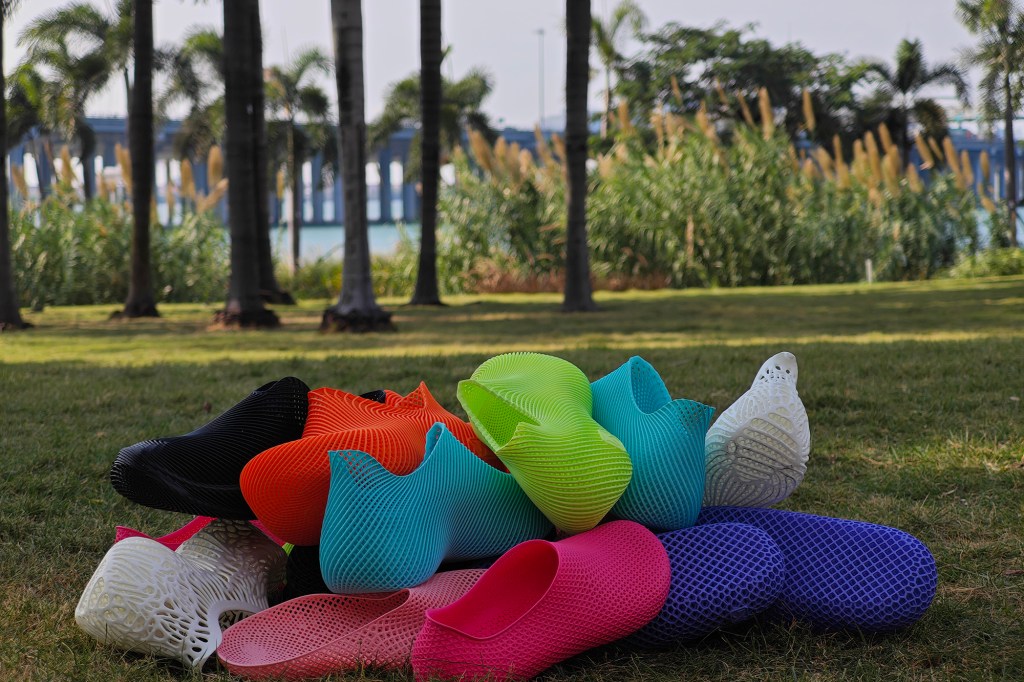
Dig into the catalog. Business folks or crafters – doesn’t matter. Over 600+ items wait for your ideas. Make stuff like swimsuits, hats, pads, shoes, bags. Make them yours.

 FlexCreate
Leave a comment