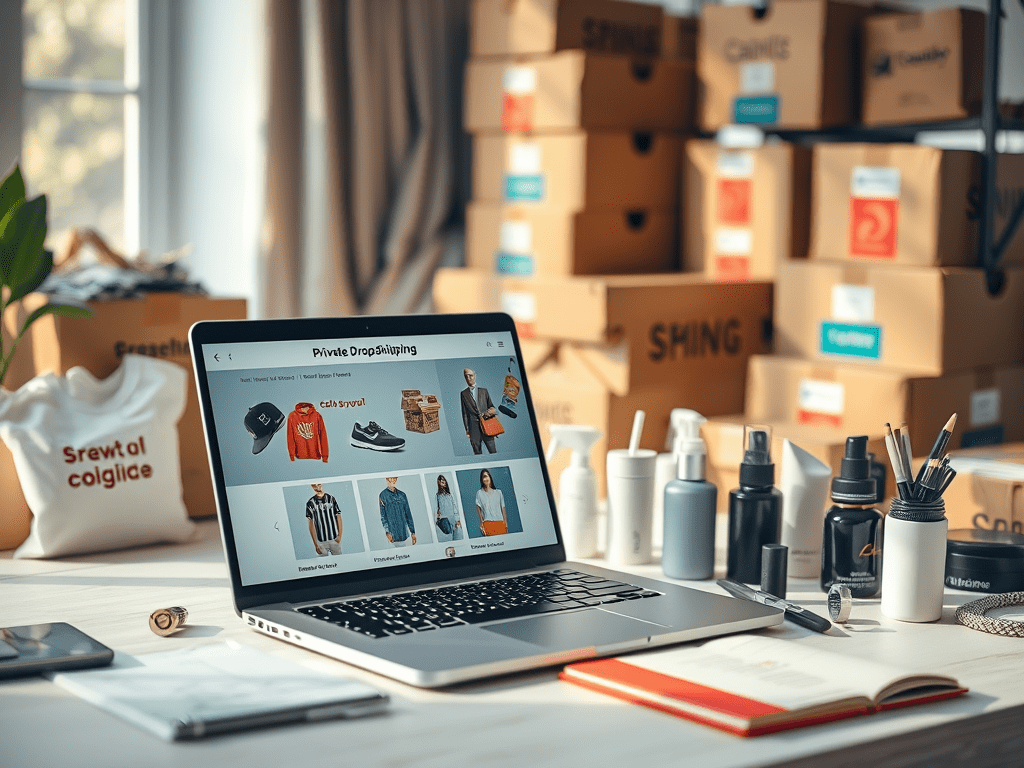
Put your logo or designs on ready-made products. Let a partner do all the packing, shipping & stock keeping.
If you want an easy online biz, private label dropshipping might work. You skip making the item yourself. Just find a product, add your look to it, then get help from a supplier who ships it straight to your buyers.
A study from Bazaarvoice in 2024 said this—64% of people in the US bought private label stuff in the past half-year. Also, 44% changed for good from old brands to these new private ones.
This article helps you catch that trend with your own private label dropshipping shop.
What is private label dropshipping?
Private label dropshipping means that you sell some items made by someone else, but with your brand or look. The big plus is you can begin your shop with little cash and no need to keep stock.

This type is not like other private label setups. You won’t have to put lots of money in at the start. Things like design, storage and delivery are done by another company that dropships for you.
Private label dropshipping products
Private label product types for dropshipping might be:
- Clothing like t-shirts, socks & sweatshirts
- Beverages—sparkling water, tea, soda
- Coffee options
- Cosmetics such as lotion, makeup & haircare
- Phone covers & protective cases
- Supplements—vitamins, antioxidants & botanicals
- Electronics like speakers, headphones & phone chargers
- Home items—pillows, wall prints & soft throws
- Toys for kids, pets & babies
- Bags—canvas bags, leather handbags, totes, backpacks, duffle styles
- Footwear—leather sneakers, boots, slippers & athletic shoes
Private label dropshipping best practices
- Check reviews from other sellers
- Ask about the product details
- Pick items that interest you
- Try out the product first
- Plan how to manage returns & support
- Pick your market focus or niche
Read supplier reviews
Your supplier makes, ships & handles products for you. So choosing one that’s solid matters a lot. Look at sites such as:
- Flexcreate
- Apliiq
- Dripshipper
- Trendsi
- Alibaba
- Spocket
Check each supplier’s reviews before picking one. Sellers often write about how well the supplier communicates, how good the product is & if support is fast or slow. That stuff can really help.
Don’t forget this—buyers on your store won’t see there’s a third-party in the middle. Some suppliers offer good help if things go wrong, but others might not, so that falls on you.
Ask for product details
After spotting a possible supplier, send questions like:
- Specs—weight, color, material & item size
- Packing details—logo formats & materials used
- How long shipping takes—buyers want fast & free delivery
- Certifications—like FDA-approved for food, beauty & pet goods
Pick a private label maker that fits what you need. Make sure the product’s quality feels right & they give you plenty of clear info.
Sell what you love
Shoppers think about lots of things before they buy. So it’s harder to sell stuff you don’t care about. Go with products you enjoy or know well.

For example, skin care fans can tell good items from bad. They spot key ingredients & know what results to expect. This helps when picking private label skin care lines.
Test the product yourself
Once a supplier’s picked, order samples. Or grab a batch, based on how many they require. Check if all the items match in looks & function. Are the packages the same? Is quality steady across the bunch? That stuff matters.
This step helps you think like a buyer—from opening the box to using the product with your name. Great for marketing. Record yourself trying the item, then post it on TikTok. People enjoy seeing behind-the-scenes from brands they follow.
Establish a process for handling returns and support
Next up—figure out how to manage returns & support. Buyers want return options. But without a warehouse, it’s hard to resell sent-back items.
Ask if your dropshipping supplier can take returns & restock them. After deciding, write out a clear return policy & show it on your store’s website.
Try to reply to customer messages fast. Aim for your first reply within 24 hours, if you can.
Find your target market and niche
Try not to offer too many kinds of items. A focused dropshipping store works better.
Pick just one product. Stick with it. Do some digging to learn who your buyers are. Look for a strong niche that fits. Learn how these people use the product & why they buy it. Try different marketing ways—maybe SEO or email—to reach out.
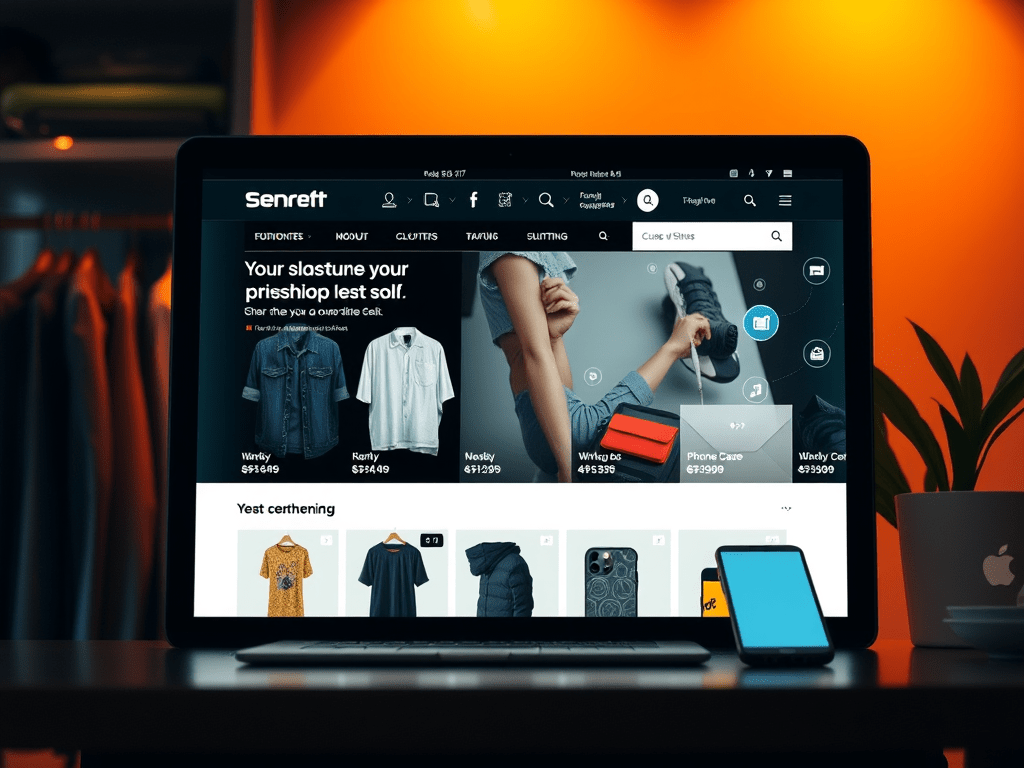
Then, pick a store platform like Shopify. Build your site. Set your profit margin. Pick the right price per item. When someone buys, send details to the supplier. They’ll handle printing, packing & shipping for you.
Note this—top pod dropshipping brands create identity around their private label goods.
Launch Your Private Label Dropshipping Store Now
Private label dropshipping blends two models—dropshipping & private label sales. You can offer clothes, phone cases, or more. Just find a solid supplier, get item details & start selling what you’re into.

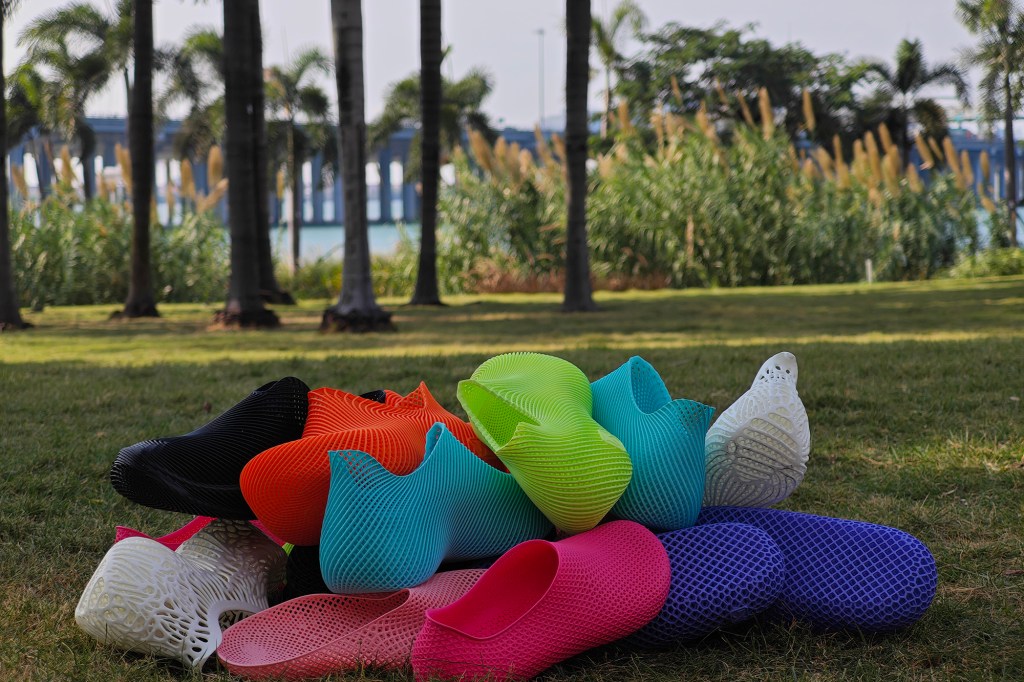
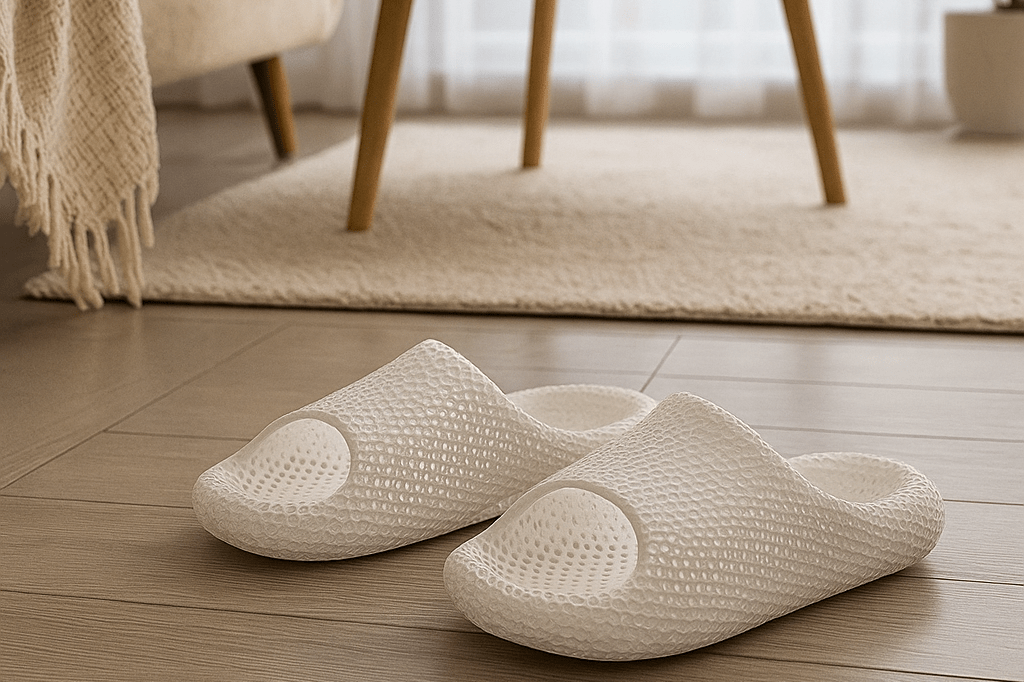
 FlexCreate
Leave a comment