
It’s hard to imagine launching an eCommerce business with little upfront investment, no inventory, or any storage space for your products.
But that’s what makes print-on-demand (POD) businesses so appealing. Whether you’re a designer selling your artwork on t-shirts or a musician offering custom merchandise, POD provides a low-risk opportunity to start.
This guide will walk you through the necessary steps to build your POD business. From selecting the right products to listing them for sale, here’s everything you need to get started.
What is Print on Demand?
Print on demand means you partner with a dropshipping service to design, sell, and ship custom items.
You, the seller, create the designs for these items and list them for sale.
Your POD partner offers a catalog of products to choose from, often including a mockup tool to help you design your items exactly as you want.
When an order is placed, your POD service takes care of production and fulfillment. You won’t need to handle or ship the products yourself. Instead, your POD platform will send the finished product directly to your customer.
POD is great for all types of businesses, whether you’re just starting or you already have an existing store and want to test new ideas.
How to Start a POD Business in 7 Steps
01. Choose Your Niche

Your print-on-demand business can’t serve everyone. That’s why the first step is picking the right niche for your brand.
A niche could be people in a specific profession (like nurses or teachers), those who share a common interest (like food lovers or yoga fans), or people involved in certain activities (like cyclists or pet owners).
Try to be as specific as possible with your niche, while still targeting a large enough audience to make a profit. For instance, if you plan to sell to wine lovers, instead of targeting all adults over 21 in the U.S., you might focus on millennial moms who enjoy wine. This will help you create better products, styles, and campaigns that resonate with your audience.
If you don’t already have a niche in mind, here are a few ways to help you start your research:
- Browse your social media: Check out what’s popular on TikTok or Twitter. Join Facebook Groups or Reddit forums to engage in conversations with potential buyers.
- Use Google Trends: This free tool helps you measure interest in certain topics. Look for trends that show consistent growth over time, rather than fleeting fads.
- Do keyword research: Use SEO tools like Moz or Semrush to track search traffic for shopping-related queries. Tools like JungleScout can help you measure interest and sales data from platforms like Amazon.
- Search popular marketplaces: Look at product descriptions and reviews on Etsy, eBay, or Amazon to understand what’s selling and who’s buying.
- Keep an eye on competitors: Visit competitors’ websites and catalogs. See who they’re targeting and use this to shape your own message or discover a niche that isn’t being addressed.
02. Decide What to Sell
You might have come to this blog thinking about selling specific products like t-shirts. However, POD platforms offer a wide variety of items: leather handbags, hoodies, leggings, caps, water bottles, or phone cases—just to name a few.
It’s important to choose products that match your niche. If you’re targeting yoga and meditation enthusiasts, your product range could include full-print yoga pants, mats, and towels. If you’re focused on beach lovers, consider offering designs on beach chairs, towels, or swimwear.
Another option is to focus on eco-friendly products. Sustainable, ethically-sourced items are especially popular with today’s Gen Z shoppers. Many POD suppliers offer a variety of eco-conscious products, including apparel, lunch totes, and pillowcases.
03. Create Your Design
This step can be exciting or overwhelming, depending on your design skills. If you’re naturally creative, starting a POD business gives you the chance to share your passion while earning money as an artist.
If you’re not a designer, there are ways to fill the “design gap.” You could choose pre-made designs, images, and fonts available on your POD platform. Alternatively, use design tools like DesignWizard or Piktochart to help spark your creativity. You can also hire a designer through the Wix Marketplace for assistance.
If you’re struggling to find inspiration, check out popular designs that are selling well on marketplaces or other sites. Just make sure not to copy them. Avoid legal issues like trademark violations by understanding intellectual property for print on demand.
Whether you create your own designs or work with a professional, take time to validate your ideas. Share your early designs or mockups with trusted people or use social media to get honest feedback.
04. Choose the Right Print-on-Demand Service
When choosing a printer for your designs, consider the following questions:
- What types of products does the platform offer?
- What equipment, materials, and printing techniques do they use?
- What are their average turnaround times?
- Where do they ship products from, and how are shipping rates determined?
- What kind of packaging do they use?
- Do they charge a monthly fee or a percentage of each sale?
- How do they handle returns, cancellations, and refunds?
- Does the platform integrate with your eCommerce store?
Also, order a sample of your products to check the quality.
Make sure the colors, materials, and textures meet your expectations. Some designs may look better on a screen than in real life, so this step is crucial to ensure your design looks good on the chosen fabric, ink, and printer.
Here are some popular print-on-demand companies to consider:
- FlexCreate: FlexCreate is a global supply chain company that offers online custom products. They specialize in items like handbags, backpacks, shoes, and other accessories. Their ability to create custom bags and shoes sets them apart in the POD industry. Thanks to high demand for these products, FlexCreate has quickly grown into one of the leading POD platforms.
- Modalyst: Modalyst connects store owners with a curated selection of suppliers. It offers high-quality products, including jewelry, clothing, and accessories, which can be branded and shipped directly to customers.
- Printify: Printify allows entrepreneurs to create custom products like t-shirts, mugs, and posters. It connects with a network of print providers globally, offering a wide variety of items for customization. Printify integrates with major eCommerce platforms for easy scaling of businesses.
- Gooten: Gooten specializes in custom products such as apparel, home goods, and accessories. With a global network of print partners, Gooten ensures high-quality printing and fast fulfillment.
- Printful: Printful offers wide range of customizable products, from clothing & accessories to home decor. Known for its high-quality printing and fast shipping, it handles everything from production to shipping, letting business owners focus on marketing and customer service.
05. Build Your Online Store
Start selling in one of two popular ways:
- Sell on a marketplace like Shopify, Amazon, Etsy, or eBay: Marketplaces provide large, established audiences that are ready to buy. However, they may charge subscription fees, listing fees, and/or transaction fees. Each marketplace has its own rules for branding, pricing, and listing products, so make sure you understand these to avoid any issues.
- Learn how to build a website using a platform like Shopify or Wix eCommerce: This option gives you full control over your store’s design and the entire buyer experience. However, you’ll need to invest in marketing to get your products seen. Wix eCommerce offers built-in marketing tools and automations to help you grow your business faster.
You don’t have to choose just one. A multichannel selling strategy can boost sales. In fact, merchants who connect their stores to sales channels like Amazon or Wish can increase sales by up to 12%, according to Wix data.
Starting with a website helps you build a solid foundation for your brand. It allows you to fully control the user experience, test different prices, and offers without restrictions. It also gives you direct insight into user behaviors, so you can track what’s driving sales or causing them to drop.
Wix eCommerce integrates with marketplaces too. If you decide to sell on marketplaces later, you can easily sync your products, inventory, and prices without logging into each marketplace separately. Other benefits include a higher limit of free listings on eBay when you sign up through Wix.
06. Set the Right Pricing Strategies
Finding the right price can be tricky. Here are some questions to help you decide:
- What are my startup costs? Make sure your pricing covers all expenses, including marketing, labor, fees, and other costs.
- What are other businesses charging for similar products? It’s important to price competitively or have a strategy to justify higher prices.
- How unique are my products? If your products are one-of-a-kind, you may be able to charge a premium.
- Will I offer free shipping to my customers? More than half (58%) of shoppers abandon their carts because of unexpected shipping costs. Offering free shipping could be a good idea, as long as it doesn’t hurt your profit margins. You can include shipping costs in the product price or offer free shipping at certain price points.
- What’ll my profit margin be at this price? You want to make sure you’re making money from every sale. Be sure to calculate your profit margin accurately, factoring in all expenses and hidden costs (such as returns, taxes, and transaction fees).
07. Develop a Marketing Plan
Your work doesn’t end once your online store is live. To build a successful print-on-demand business, you’ll need to actively attract attention to your products. Here are five effective ways to start growing your audience and creating positive buzz around your business:
- Tell your friends & family: Share details about your business and ask them to spread the word to their networks.
- Engage with buyers on social media: Learn the ins & outs of platforms that are best for your brand. Join relevant conversations and show your brand’s personality online.
- Start a blog: Write articles that showcase how to use your product or answer common questions people might have when looking for a brand like yours. A blog can help boost your SEO strategy and attract organic traffic.
- Partner with influencers: Work with influencers or brands that share a similar audience. Be sure to offer something in return & leverage their expertise.
- Create an email strategy: Plan out the emails you want to send, whether it’s to re-engage shoppers, reduce cart abandonment, or create excitement for upcoming sales.
08. Where to Sell Your POD Products
Where you choose to sell your print-on-demand products depends on how you want to grow your business. Some sellers focus on quick sales & exposure, while others aim to build a brand they can fully control. Consider how much time & effort you’re willing to spend on marketing, customer service, & managing your store. If you want a more hands-off approach, one option might be a better fit for you.
Your long-term goals matter too. Selling on marketplaces can generate quick sales but limits your control over branding. Running own store gives more freedom but requires a solid plan to attract customers. A smart strategy is to test your products on marketplaces first, see which ones perform well, then move your best sellers to your own store. This way, you can get the best of both worlds & grow your business over time.
Marketplaces vs. Your Own eCommerce Store
- Selling on marketplaces (Etsy, Amazon, Redbubble, etc.): Marketplaces give you immediate access to millions of potential customers, so you don’t have to worry about driving traffic. They also handle payments & offer built-in trust with buyers. However, competition is high, fees can cut into profits, & you don’t have much control over branding or customer relationships. Plus, there’s always the risk of being suspended or banned, which could harm your business.
- Running your own store: With your own eCommerce store, you have full control over branding, pricing, & the customer experience. You can build a loyal following, run targeted marketing, & avoid marketplace fees. The downside? You’ll need to drive traffic yourself, meaning you’ll have to invest in SEO, social media, or ads. Growth takes longer, but you’ll be building a brand you own without relying on marketplace rules.
- Hybrid approach: Many successful POD businesses start by using marketplaces to gain visibility while building their own store. This allows you to benefit from marketplace exposure while gradually shifting customers to your site. Offering exclusive products or discounts on your website is a smart way to encourage repeat buyers to shop directly with you.
How Much Does It Cost to Start a Print-on-Demand Business?
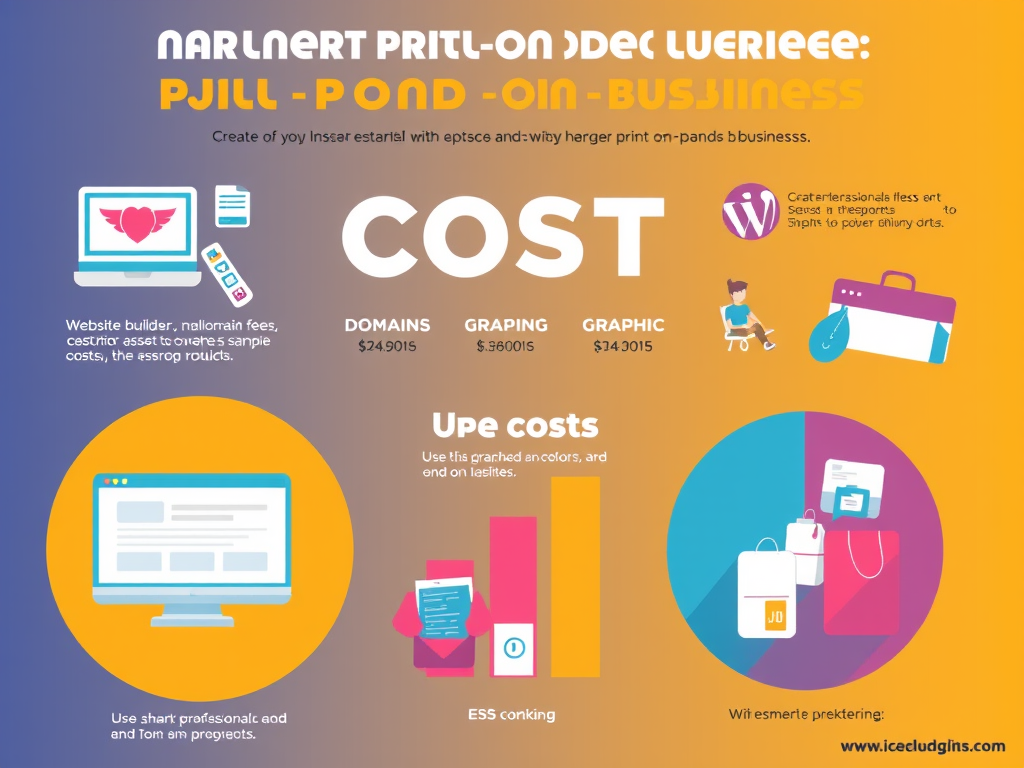
Starting a print-on-demand (POD) business is generally affordable compared to traditional retail models. It removes the need for inventory & large upfront investments. Here’s a breakdown of the potential costs:
eCommerce Website Builder Fees
If you’re setting up an online store, website builders like Wix charge monthly fees, which range from $0 to $149, depending on the plan & features you select.
Domain Name
A custom domain gives your brand a professional look. Costs can range from free to several hundred dollars per year. With Wix, a domain name is free with a paid plan.
Graphic Assets
Investing in high-quality design assets or hiring freelance designers can cost anywhere from $5 to several hundred dollars per design. Costs depend on the complexity & licensing required.
Sample Products
It’s important to order samples to check the quality before selling. This cost varies by product, but expect to pay anywhere from $20 to $100.
Marketing & Advertising
Marketing costs vary widely based on your strategy & scale. Initial ad budgets might start around $50 to $500 to gain visibility. Organic marketing through social media can be low-cost but requires time & effort.
Business Registration & Licenses
Business registration costs differ by state & country, usually ranging from $50 to $800. However, some POD platforms don’t require formal business registration at first.
A rough estimate for starting a small-scale POD business ranges from $100 to $1000 or more. You can keep costs low by using free trials, open-source software, & organic marketing strategies at the beginning. The main investment is time & creativity to create attractive designs & build a strong brand. For ongoing success in POD, you’ll need to reinvest in marketing & new designs to stay competitive & keep customers engaged.
Pros of Starting a Print-on-Demand Business
- Quick & easy setup: Once you choose a service & design, you can begin selling in minutes.
- No bulk purchases: You only pay for what sells, whether it’s a single item or thousands. This helps reduce your initial inventory costs & risk.
- Instant access to various products: Most POD platforms offer a wide range of products & brands to pick from.
- No worries about shipping or storage: Your POD partner takes care of the logistics.
- Pro tip: Kevin D’Souza, Director, Product Experience at Vista Corporate Solutions, says, “Custom merchandise isn’t just a revenue channel; it’s a conversation starter that strengthens your audience’s connection to your brand.”
Partnering with a trusted print-on-demand service gives you access to unmatched quality & a wide range of products. You can go beyond the usual, creating unique & memorable items — think water bottles, lunchboxes, or tote bags — that stand out & become part of your customers’ everyday lives.
Cons of Starting a POD Business
- You can’t customize everything: While you can personalize your designs, you may not be able to choose every material or create non-standard product sizes.
- Quality control is harder: You need to carefully vet & monitor vendors to ensure product quality, shipping, & overall customer experience meet expectations.
- Lower profit margins: Expect higher per-unit costs in exchange for outsourced logistics & small-batch manufacturing.
How to Create Designs for Print-on-Demand
Creating POD designs without a design background is possible by following these steps:
- Use graphic elements: Take advantage of pre-made graphics & templates offered by design tools. Customize them to make unique designs without starting from scratch. Look for icons, fonts, & graphics that match your vision.
- Keep designs simple & impactful: Simple, clean designs are often more effective. Focus on conveying a clear message or aesthetic instead of making things too complex.
- Typography & color palette: Play around with fonts, sizes, & arrangements to create visually appealing text-based designs. Make sure the text is readable & works well with the overall design. Choose a cohesive color palette, as consistent colors enhance the design’s visual appeal.
- Use personal photos: If it fits, include personal photos or images. Authenticity can connect with customers, & personal images can add a special touch to your designs.
- Outsource if needed: If designing feels overwhelming, hire freelance designers to bring your ideas to life affordably.
Starting a print-on-demand (POD) business is a cost-effective way to enter eCommerce, allowing you to sell custom products without worrying about inventory or upfront costs. You only pay for what sells, reducing risks, and POD platforms provide access to a wide range of products. However, you won’t have full control over materials or product sizes, and quality control depends on third-party vendors. Costs per unit are higher, which can lower profit margins.
Conclusion
Creating designs is easy, even without design skills, by using templates and graphic elements. Simple, clean designs with effective typography and color palettes work best. You can also add personal photos for a unique touch. If needed, outsourcing design work to freelancers can help bring your ideas to life.
While POD businesses are low-risk, success relies on managing quality, building a strong brand, and investing in marketing. It’s a flexible, accessible way to start a business with manageable challenges.



 FlexCreate
Leave a comment