
The Etsy Print On Demand (POD) model is gaining popularity in the eCommerce world. It mixes the best of both worlds: giving creative entrepreneurs access to Etsy’s large customer base, while offering a cost-efficient business setup.
Google data shows that sellers face tough competition when using terms like “POD” or “print on demand.” Despite this, or maybe because of it, POD has become an increasingly popular choice for both Etsy sellers & buyers.
This guide will cover the key Dos & Don’ts for anyone thinking of jumping into the Etsy POD market.
Criticisms of Etsy Print On Demand
Before we get into the tips, let’s touch on a controversial topic within the Etsy community: Is POD truly “handmade”?
While you might not be molding mugs by hand or stitching your own t-shirt designs, what you offer is still a result of your unique creative vision. It takes an artist to make this work, someone with an eye for design & catchy phrases.
In a marketplace full of mass-produced products, Etsy’s POD listings should stand out. No one needs more “custom” shirts with stolen designs from Redbubble.
Etsy POD is supposed to be different. Sellers should create their own original designs, not copy artwork found online. For artists passionate about their work, printing on products is a great way to turn a hobby into profit.
But not everyone has the tools to print their designs on high-quality items.
That’s where Etsy print on demand comes in.
What to Do & Not Do with Etsy Print On Demand
Don’t: Use terms like “POD” or “print on demand”
We’ve noticed an increase in Etsy shops using these keywords in their listings. But that doesn’t mean you should.
If your business involves selling tote bags or mugs printed with your designs from a wholesaler, these terms won’t help. These are industry-specific words, not what shoppers use when searching for products.
Instead of using terms like “print on demand,” focus on keywords that describe your products accurately, with specific details about each listing.
However, if you sell digital files for others to use in their POD businesses, it’s okay to use these keywords. In this case, your customers are other businesses, not direct consumers.
While you may sell some digital files to DIYers who print their own clothing, your main target market is likely other businesses seeking your designs for commercial use.
Do: Work with trusted manufacturers.
Etsy print on demand has grown significantly over the past five years. Many entrepreneurs have realized how simple it is to start a business & earn income without handling physical products. Manufacturers have taken notice of this trend.

However, here’s a warning: As POD becomes more popular, some suppliers are taking advantage of this boom, exploiting both you & your customers.
From poor-quality products to rushed prints, some suppliers are not up to standard.
That’s why it’s important to team up with reputable POD platforms like Flexcreate, known for its high-quality products & dependable service. A good POD partner should offer a broad selection of top-notch products & be easy to use.
Think about it: If you choose a poor manufacturer, what happens if your customer gets a broken or flawed item? You might think it’s not your issue since you didn’t ship the product.
But it is your issue. It’s your product, after all.
Also, how does your supplier handle returns & refunds? When evaluating this, think from your customer’s point of view.
In short, do your research before committing to any random POD supplier.
Don’t: Sell only t-shirts.
Ten years ago, Etsy was known for handcrafted, small-batch products. That’s changed over time.
Not long ago, t-shirts were the go-to items for POD. But again, times have changed.
Now, Etsy products you can sell through POD are limited by the suppliers you choose. You can sell pillows, mugs, underwear, metal wall art, books, dog clothing, jewelry, tote bags, canvas shoes, & much more.
The possibilities are endless with Etsy POD!
Consider this: The products & artwork you sell define your Etsy POD business, not the POD model itself.
Do: Treat your Etsy shop as a POD business.
Follow Etsy’s guidelines for selling POD products on the platform. Bookmark this link & check it regularly since Etsy often updates its policies.
The key point: You’re allowed to sell POD items on Etsy, & you should take full advantage of it. However, ensure that all designs you offer are your own & don’t infringe on any existing copyrights.
It’s fine to hire designers to create custom artwork for you, but make sure they provide you with commercial usage rights.
If you skip this step, a designer might file a copyright claim against your Etsy store, which could result in your shop being shut down permanently.
As long as you have the designer’s permission, you’re good to go.
Copyright infringement is a serious matter, & Etsy takes it seriously. Stay updated with Etsy’s policies—they change often!
Don’t: Think POD is effortless.
There are tons of articles & YouTube videos that make setting up an Etsy print on demand store sound easy. They claim you can “set & forget” your business, earn money while working just a few hours a week, and so on.
Well, they’re right… kind of. But that’s only true if you want to make a few hundred bucks before your Etsy shop gets banned in just a few weeks.
The reality is that no business is “set & forget,” whether it’s a massive eCommerce operation or a small Etsy POD shop.
All businesses need effort, & lots of it.
Your Etsy POD shop’s success depends on how much effort you put into marketing. It’s also about the customer service you offer when issues arise. Plus, the brand you create plays a huge role in your success.
Do: Find your niche.
Targeting a niche is a fantastic way to build your POD business on Etsy. This means you focus on a smaller, specific market where you can be the leading supplier.
For example, consider “anime” products.
There’s a solid demand for anime-themed products on Etsy. Once you dive into that niche, you’ll see there’s less competition than you might expect.
This is just an example, but the idea is the same. Find an underserved niche & fill the gap with quality products.
Don’t: Forget to check your products.
Just because you don’t have to hold inventory doesn’t mean you shouldn’t check the products yourself.
It’s risky to sell something you haven’t personally reviewed. Your supplier might send out shirts with frayed hems, & you wouldn’t even know.
So always inspect your products before offering them for sale.
Pro Tip: Some POD suppliers let you buy products at a discounted rate to inspect them before selling.
Buying products ahead of time is a smart move. But beware—some POD suppliers might send you high-quality items when you place an order for inspection.
Then, when your customer orders, they might get a similar product of much lower quality.
To avoid this, set up your Etsy shop & purchase items directly through your Etsy listing. This will allow you to check the quality for yourself & also give you a feel for the entire shipping process from your customer’s point of view.
Do: Think on a global scale.
Look at Printify or FlexCreate; they have production centers in places like the US, Canada, UK, Mexico, & more.

When brainstorming ideas for products or designs, think beyond your local area. For example, if you’re in the US, how can you tap into trends or cultures in the UK?
The main idea here is:
Etsy is a worldwide platform, and print on demand lets you make the most of that. So, go for it!
Conclusion for Etsy Print on Demand
The Etsy POD model offers plenty of chances for entrepreneurs with a tech-savvy edge. Now that Etsy supports POD items, it’s turning into a popular marketplace for POD business owners.
However, the business model & Etsy don’t always align perfectly. But if you’re ready to overcome the challenges, there are plenty of chances for success.
What’s your take on Etsy’s print on demand? Do you see it as a fresh way to sell products, or do you think it’s just a passing trend?

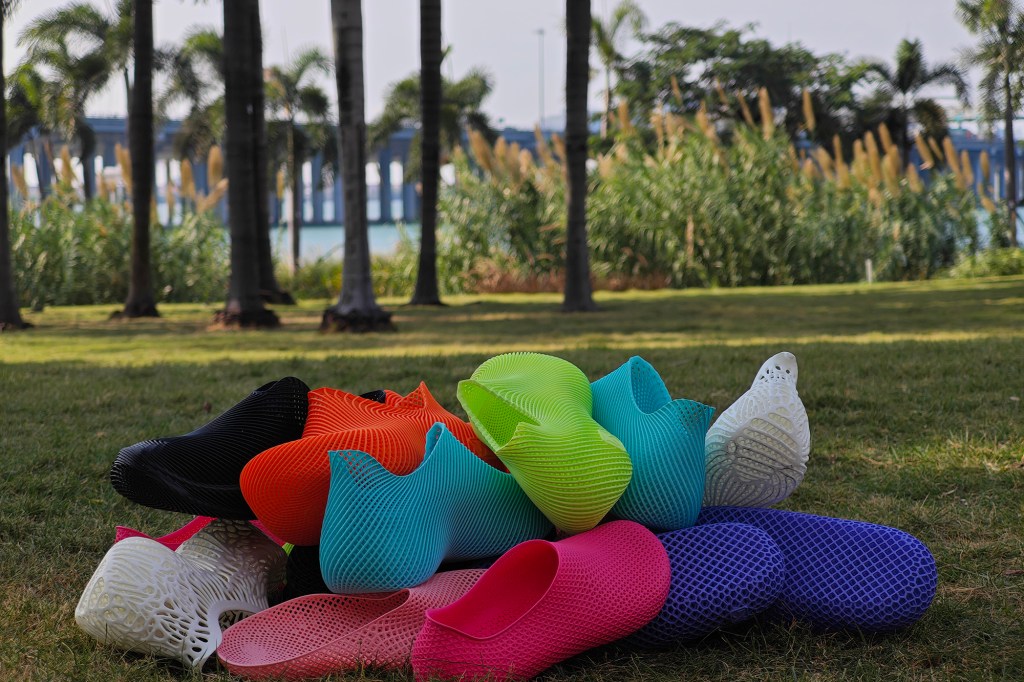

 FlexCreate
Leave a comment